
If your showers have turned into an icy surprise, it may be time to think about upgrading your water system. Many households benefit from a hot water cylinder installation as it provides consistent heating and a reliable supply. But getting it right involves more than just buying a new unit and plugging it in. Careful planning and the right guidance will help you avoid stress later.
The Right Cylinder for Your Home
Before calling in the experts, you’ll want to select a cylinder that matches your household’s water use. Too small, and you’ll be racing each other to the bathroom before it runs cold. Too large, and you’ll end up paying extra for heating water you don’t use. Picking the correct size keeps your home running smoothly and your energy bills under control. Materials also matter when making this choice. Stainless steel options are durable and can last for years with little trouble. Glass-lined versions may cost less upfront but often require more upkeep, which could turn into an ongoing headache.
Location and Space Considerations
The placement of your cylinder is a bigger deal than most homeowners realize. Install it in the wrong corner, and you’ll face noise, awkward access, or wasted space. Ideally, it should be positioned in a spot that balances safety, convenience, and efficiency. Ventilation is another key factor. Without enough airflow, moisture and heat can create issues over time. Thinking through the installation site ahead of time can save you costly adjustments later.
The Importance of Hiring a Professional Plumber
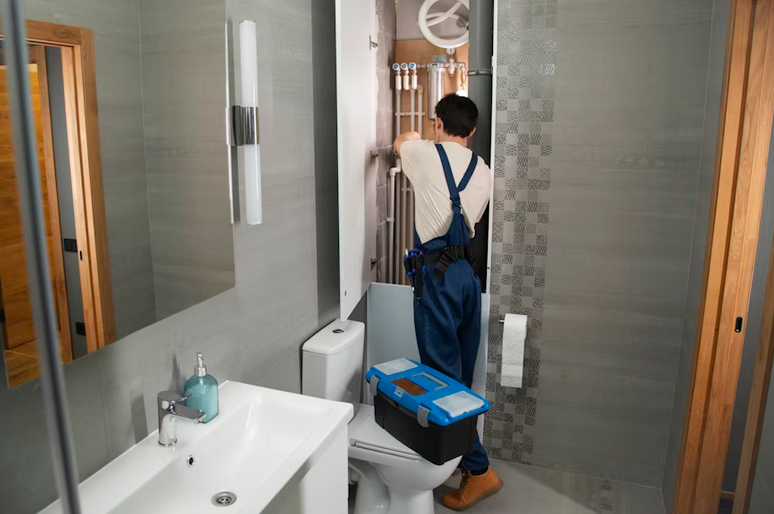
Some people attempt DIY projects to save money, but hot water systems are not the place for guesswork. Incorrect installation can result in leaks, low pressure, or even dangerous malfunctions. A licensed plumber understands the safety codes and technical details that homeowners often overlook. By hiring an experienced tradesperson, you gain peace of mind that the job is done right the first time. They can also recommend upgrades or fixes you may not have considered. In many cases, the upfront cost of professional work saves you from expensive disasters down the road.
Maintenance for Long-Term Efficiency
Once installed, your cylinder still requires attention. Sediment buildup is one of the most common problems, and it can reduce both efficiency and lifespan. Flushing the system on a routine schedule prevents blockages and helps the heater run better. Insulation is another smart move. By wrapping your cylinder and pipes, you keep heat from escaping and save on power bills. A little regular care goes a long way in keeping your system reliable.
Signs It’s Time for a Replacement
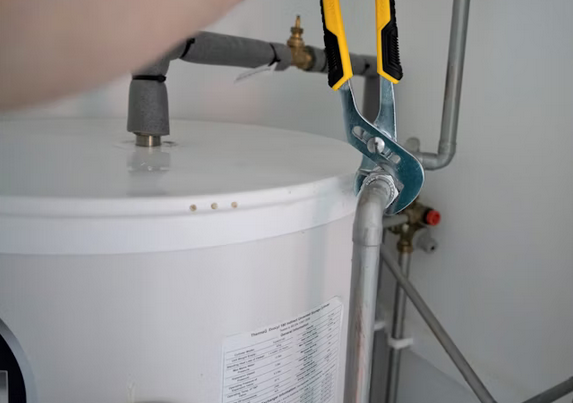
Even the best cylinders don’t last forever. If your water takes longer to heat, comes out rusty, or you spot pooling around the unit, it may be nearing the end of its service life. Ignoring these signals usually leads to bigger problems.
Upgrading before a total breakdown puts you back in control. Instead of scrambling during an emergency, you can choose the right model and schedule an installation that suits your timeline. That way, the hot water never runs out when you need it most.