
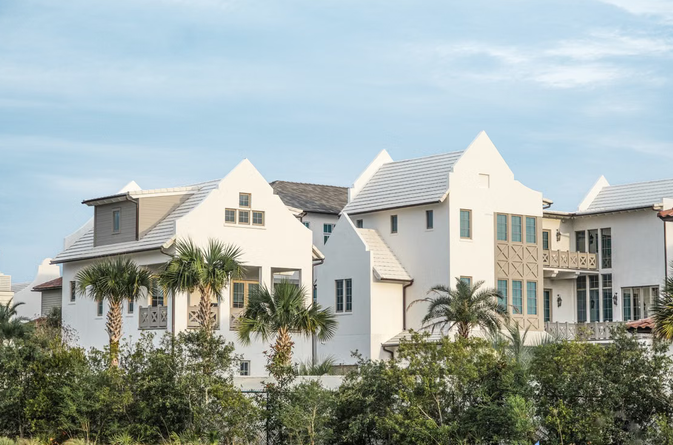
Owning a property in Bondi is a significant investment, and keeping it in excellent condition requires more than occasional repairs. The area’s coastal environment, changing weather conditions, and everyday wear and tear can all affect a home’s longevity over time. Fortunately, a proactive approach to maintenance can help prevent costly issues, improve comfort, and protect property value for years to come. By paying attention to key areas of your home and addressing small problems before they become major concerns, you can extend the lifespan of your Bondi property and enjoy greater peace of mind.
Stay on Top of Plumbing and Drainage Issues
Many property owners underestimate how much damage hidden plumbing problems can cause. Small leaks, slow drains, and aging pipes can gradually lead to structural issues, water damage, and expensive repairs. Although regular inspections help identify concerns early, pipe relining bondi remains a preference as it is a less invasive way to restore damaged pipes without extensive excavation. Keeping drainage systems functioning properly protects both the building structure and the surrounding landscaping from unnecessary damage.
Protect Your Home From Coastal Conditions
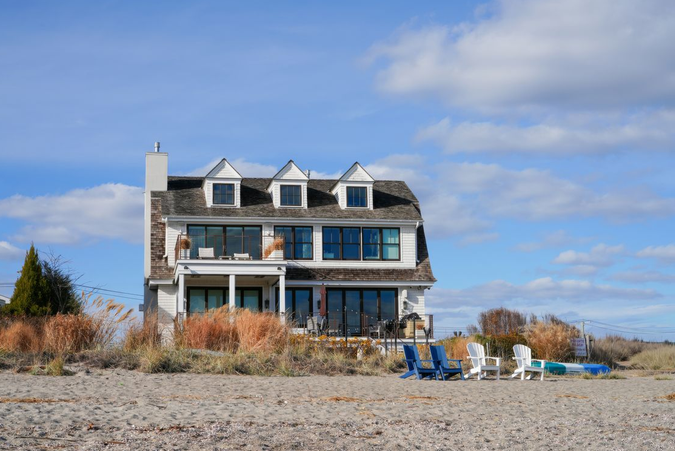
Living near the coast comes with many advantages, but salty air and moisture can take a toll on building materials. Metal fixtures may corrode faster, paint can deteriorate, and exterior surfaces often require more frequent upkeep. Regular cleaning, repainting, and sealing of exposed surfaces can help reduce the impact of coastal conditions. Investing in weather-resistant materials when upgrading your property can also improve durability and reduce long-term maintenance costs.
Inspect Your Roof Regularly
Your roof plays a critical role in protecting the entire property. Even minor roof damage can allow water to enter the home and create problems that spread quickly. Scheduling routine roof inspections can help identify cracked tiles, damaged flashing, or blocked gutters before they cause significant issues. Keeping gutters clear also allows rainwater to flow away efficiently, reducing the risk of leaks and water-related damage.
Address Small Repairs Before They Escalate
One of the simplest ways to extend the lifespan of any property is to deal with minor issues as soon as they appear. A loose tile, a small crack in a wall, or a dripping tap may seem insignificant at first, but these problems can worsen over time. Prompt repairs not only help maintain the appearance of your home but also prevent more expensive restoration work in the future. Consistent maintenance often costs far less than major renovations caused by neglect.
Improve Ventilation and Moisture Control
Excess moisture can lead to mould growth, unpleasant odors, and damage to walls, ceilings, and flooring. Proper ventilation is especially important in bathrooms, kitchens, and laundry areas where humidity levels are naturally higher. Installing quality exhaust fans, opening windows when possible, and monitoring indoor moisture levels can help maintain a healthier living environment. Good airflow also contributes to the long-term preservation of building materials throughout the home.
Maintain Outdoor Areas and Landscaping
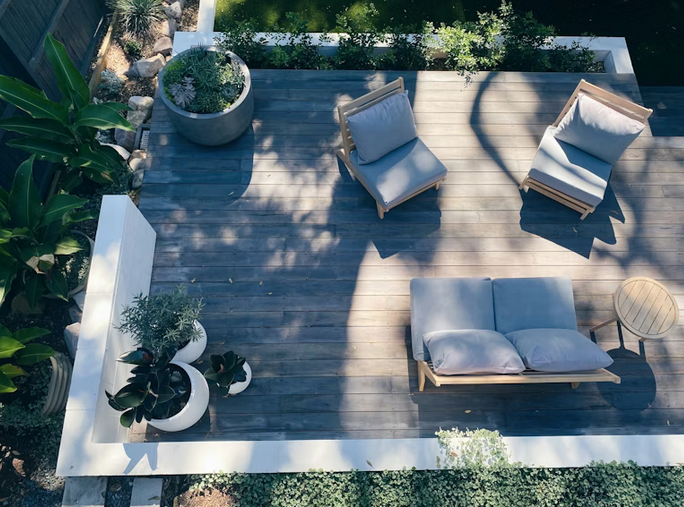
The condition of your outdoor spaces can directly affect the health of your property. Overgrown trees may damage foundations, roots can interfere with underground infrastructure, and poor drainage can create water pooling around the home. Regular landscaping maintenance helps prevent these issues while improving the overall appearance of the property. Trimming vegetation, managing tree growth, and ensuring proper water flow can protect both the building and the surrounding environment.
Schedule Routine Property Inspections
Even well-maintained homes benefit from professional inspections. Experts can identify hidden concerns that may not be visible during everyday use, including structural weaknesses, moisture intrusion, electrical issues, and plumbing defects. Routine assessments allow homeowners to create maintenance plans based on actual property conditions rather than waiting for problems to become obvious. This proactive approach can significantly extend the lifespan of a property while preserving its market value.
Extending the lifespan of your Bondi property doesn’t require major renovations every year. Consistent maintenance, regular inspections, and timely repairs can make a substantial difference over time. By paying attention to plumbing, roofing, ventilation, landscaping, and other essential systems, homeowners can reduce the risk of costly damage and keep their properties performing at their best. A well-maintained home not only lasts longer but also provides greater comfort, functionality, and long-term value.
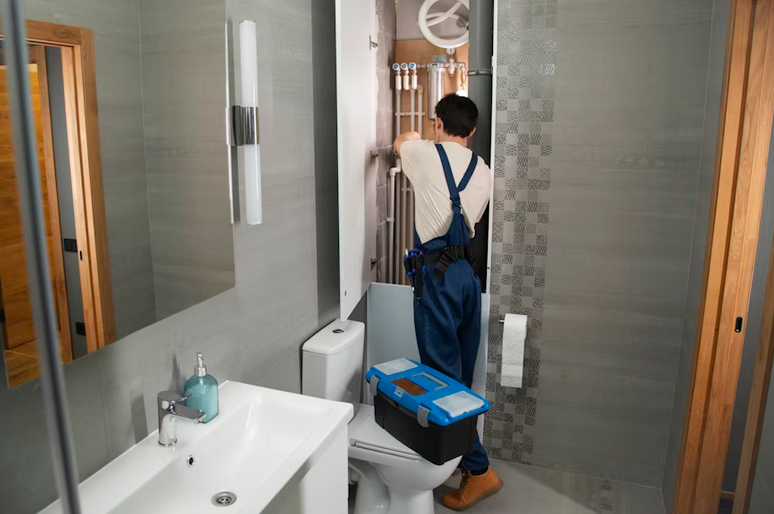
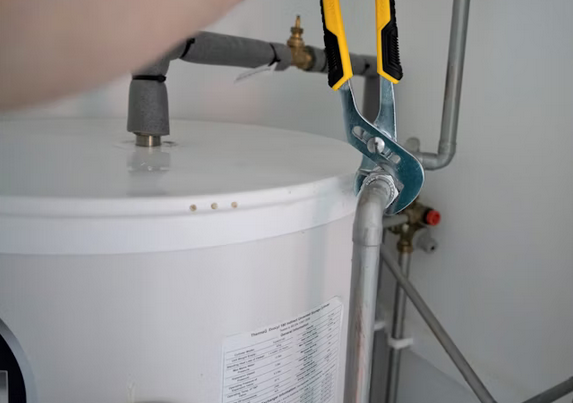
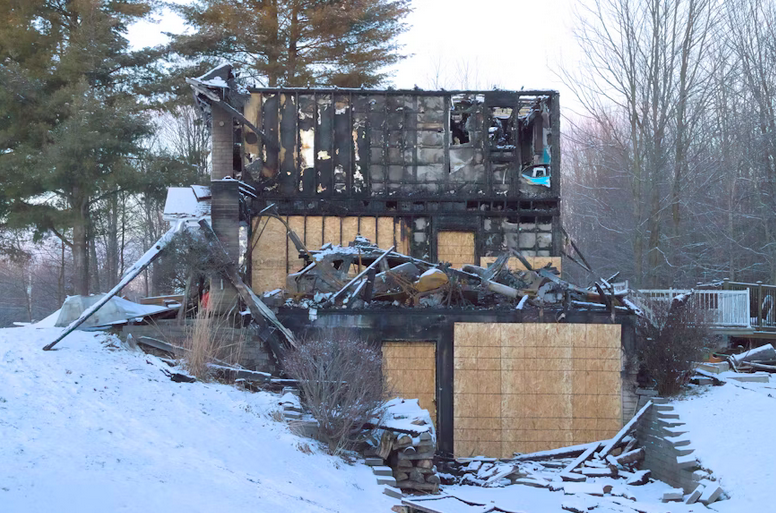
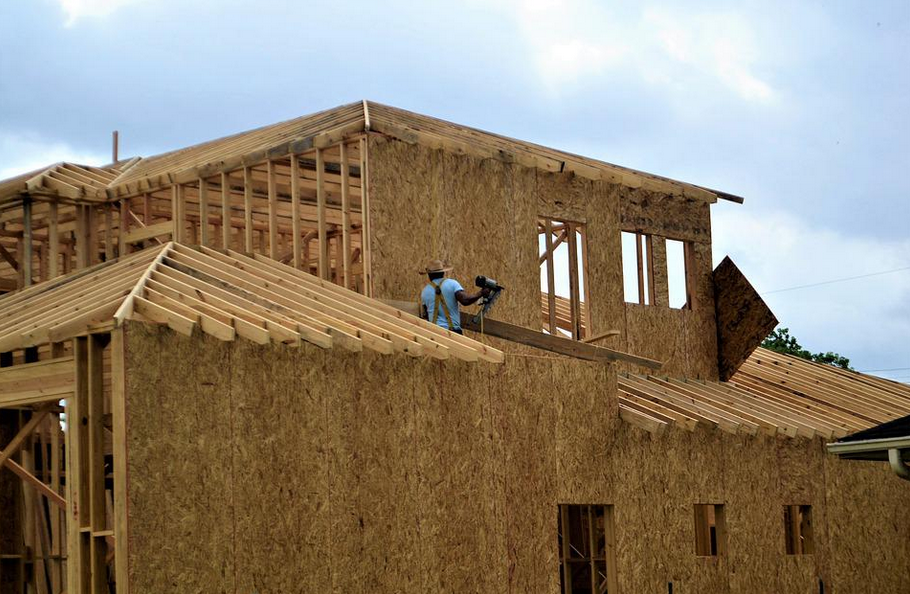
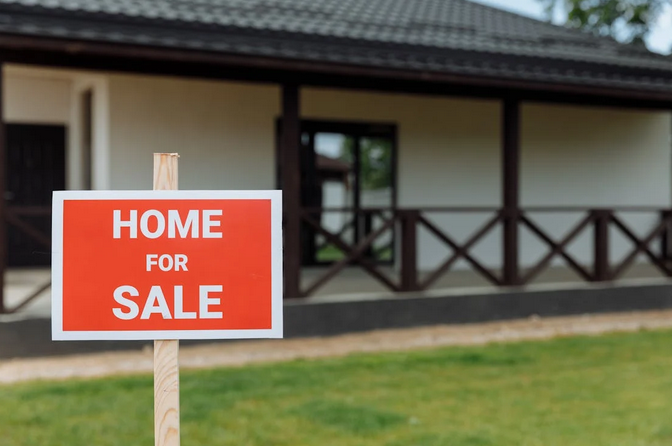 Once the damage is clear, you must decide whether to repair the home or sell it as-is. Repairs may raise the home’s value but require money and time, both of which may already feel scarce. On the other hand, selling without repairs means buyers will account for the damage in their offers. There is no one-size-fits-all solution. Each homeowner’s budget and timeline are unique. What matters is making a choice that aligns with your goals and circumstances.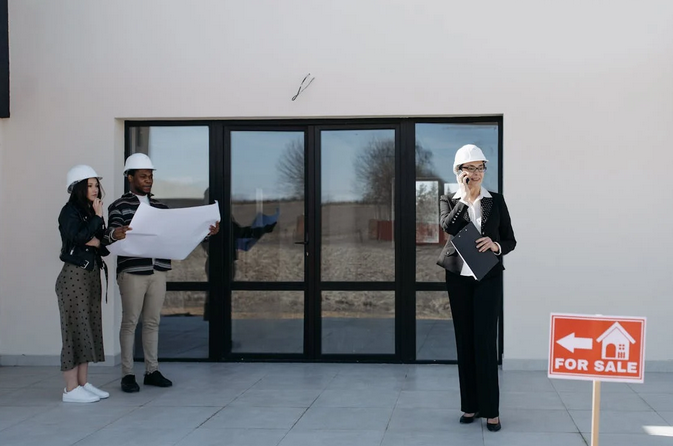







 It’s common to see people complaining about their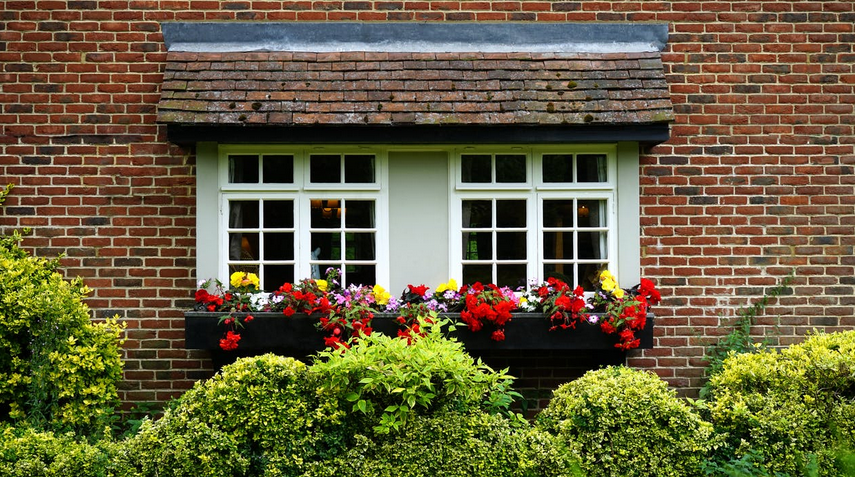
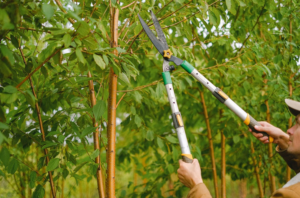 It is necessary to prune your plants regularly to ensure that they remain healthy and look tidy. Pruning involves the removal of dead or dying leaves, branches, and stems from plants. This helps to encourage new growth and also improves the plant’s overall appearance. Pruning also helps to keep your plants free from diseases and pests. You can hire a
 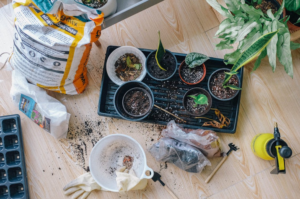 You should also ensure that you use organic gardening methods to avoid pesticides or herbicides. This is important because these products can harm your health and the environment. You can garden organically in several ways, such as using natural pest control methods, companion planting, and crop rotation. These methods will help you grow healthy plants without harmful chemicals. Organic gardening is not only better for your health and the environment, but it can also be more sustainable in the long run. Using organic methods can help you save money on expensive pesticides and herbicides, and it can also help you reduce your impact on the environment.

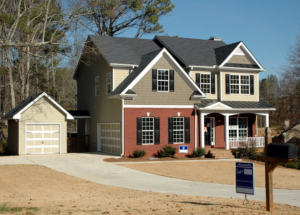 You have control over who lives on your property. Avoid worrying about what kind of person will be living next door or above you. Since it is your property, you are at liberty to control and customize the property as you desire.
 Should You Contact the Developer?